The research project The History of Science in Finland, based at The Finnish Academy of Science and Letters, is currently interviewing professors and other researchers to understand the unique backgrounds and experiences of contemporary researchers. The purpose of the research is to provide personal colour to the trends shaping global and Finnish research, and to document those stories for future generations
The research will cover about 200 interviews, conducted in English, Finnish, and Swedish, and the research team needs to work across the full dataset without losing the texture of individual accounts. That kind of depth and breadth is only possible with tools designed to support expert analysis rather than replace it.
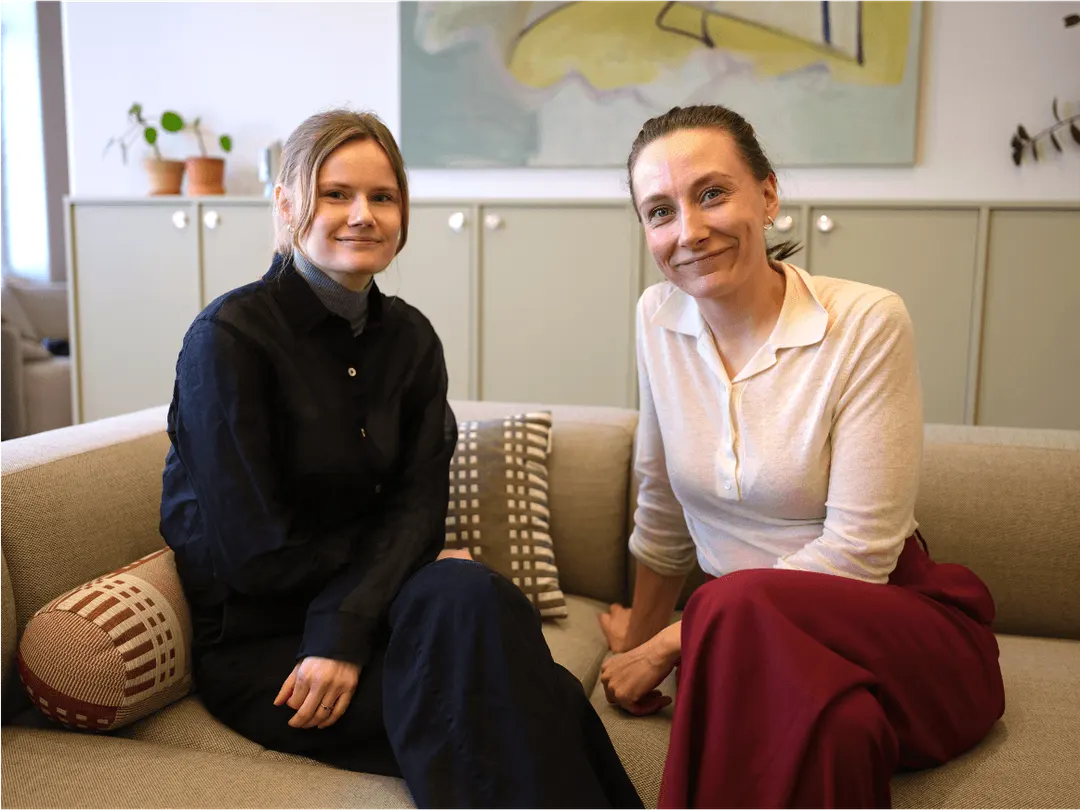
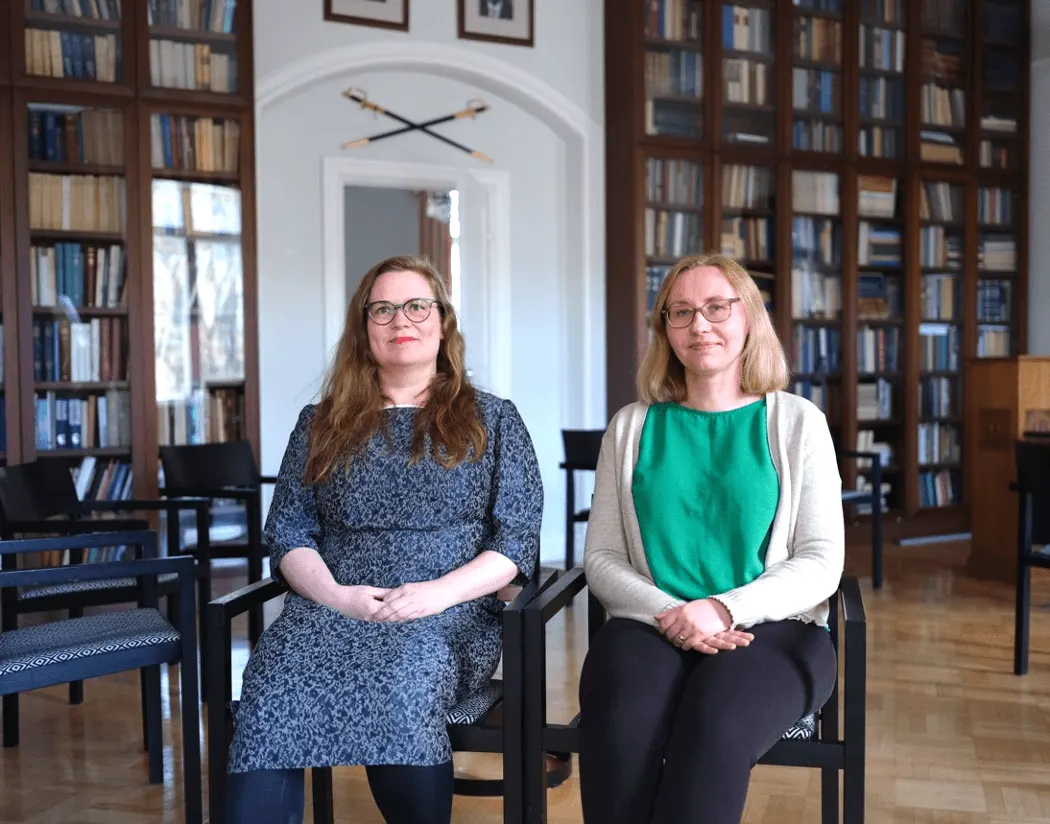
"What I love most about Skimle is that it's a servant, not a master. Skimle allows us to dig deeper into data and find nuggets we would otherwise have missed. But the researcher remains in control." — Katariina Parhi, Associate Professor, Finnish Academy of Science and Letters
1. Transcribing English, Finnish, and Swedish interviews
With over 400 hours of recorded interviews across three languages, accurate transcription was the first challenge. Any errors at this stage compound throughout the analysis.
"We are conducting around 400 hours of interviews and need accurate, high-quality transcripts capturing it all. Skimle offers the best quality transcripts we have come across," says Hanna Lindberg, Associate Professor involved in the research.
Automated transcription within Skimle's secure environment handles multi-speaker recordings and supports over 100 languages, making it well suited to a project spanning Finnish, Swedish, and English-speaking researchers. Audio files are processed securely and fully GDPR-compliant, which matters when interviews contain personal reflections and career histories that researchers share in confidence.
2. Providing structure for the entire project in one place
All transcripts are stored and analysed in one place, allowing the research team to find themes and quotes across the full dataset without having to dig through separate files and folders. The data can be explored by category or queried directly using Skimle's AI chat.
The practical benefits become concrete quickly. Katariina describes one example: "The First of May, or Vappu, is a big celebration in Finland, also among academics. We were asked to find quotes related to this party for a lighter news story, and were able to find them in minutes with Skimle. Going through the thousands of pages manually would have taken ages."
That same ability to re-query the data is not limited to lighter moments. The team is using Skimle to ask new research questions from the existing corpus, finding relevant material automatically rather than re-reading the full dataset each time. For a project with this volume of material, that reusability is significant.
3. Digging deeper into the data to surface patterns
Skimle's analysis surfaces patterns and themes across the full dataset as a starting point. Some are central to the research questions; others are less relevant. Having a comprehensive structure to the entire corpus lets the researchers shape their own interpretation: deciding what is signal and what is noise, editing categories, and building the narrative that reflects their scholarly judgement.
Two-way transparency — the ability to trace every insight back to a verified verbatim quote in the original transcript — is central to how the team uses the tool. For academic research, traceability is not optional: the analysis needs to be defensible at every level, from individual quotes to thematic conclusions.
Katariina puts it directly: "Skimle is clearly built as a tool for experts, not something trying to replace their thinking with slop like many other tools."
Expert users with an expert tool
The Finnish Academy of Science and Letters was among the first academic institutions to adopt Skimle, and the team has been learning to use it throughout the project. Transcription, data management, and initial analysis are already well established in the workflow. The next step is going further with the export capabilities: editing categories, building structured reports, and producing outputs that reflect the narrative the researchers have shaped rather than a generic AI summary.
"With tools like this, deep experts can manage larger datasets and go deeper into insights. I look forward to what is made possible next," says Katariina.
This reflects a broader point about what AI-assisted academic research should look like. The value of a multi-year oral history project lies in scholarly interpretation, contextual knowledge, and the judgement that comes from decades of expertise. The right tool handles transcription accurately, keeps the corpus organised, surfaces patterns across thousands of pages, and then steps back to let the researchers do the work that only they can do. Human judgement and AI speed are not in tension when the tool is designed properly.
For academic research teams working with large qualitative corpora, the question is not whether AI can help but whether it preserves the transparency and researcher control that rigorous scholarship requires. The Finnish Academy of Sciences and Letters found a tool that does both.
Leading a large-scale qualitative research project? Try Skimle for free or book a demo to see how the platform handles transcription, corpus management, and deep analysis at scale.