There is a lot of discussion on the role of AI in qualitative research at the moment. Some issue blanket bans and consider it completely unacceptable — a tool that will end the profession. Others are embracing it blindly and replacing human judgement with "the computer told me so" analysis.
Noren takes a more nuanced stance in these discussions. Over the past months, they have kept challenging themselves on where AI can be useful and where it cannot. Where do they want to use it, and what is core work where they cannot and do not want to outsource to AI.
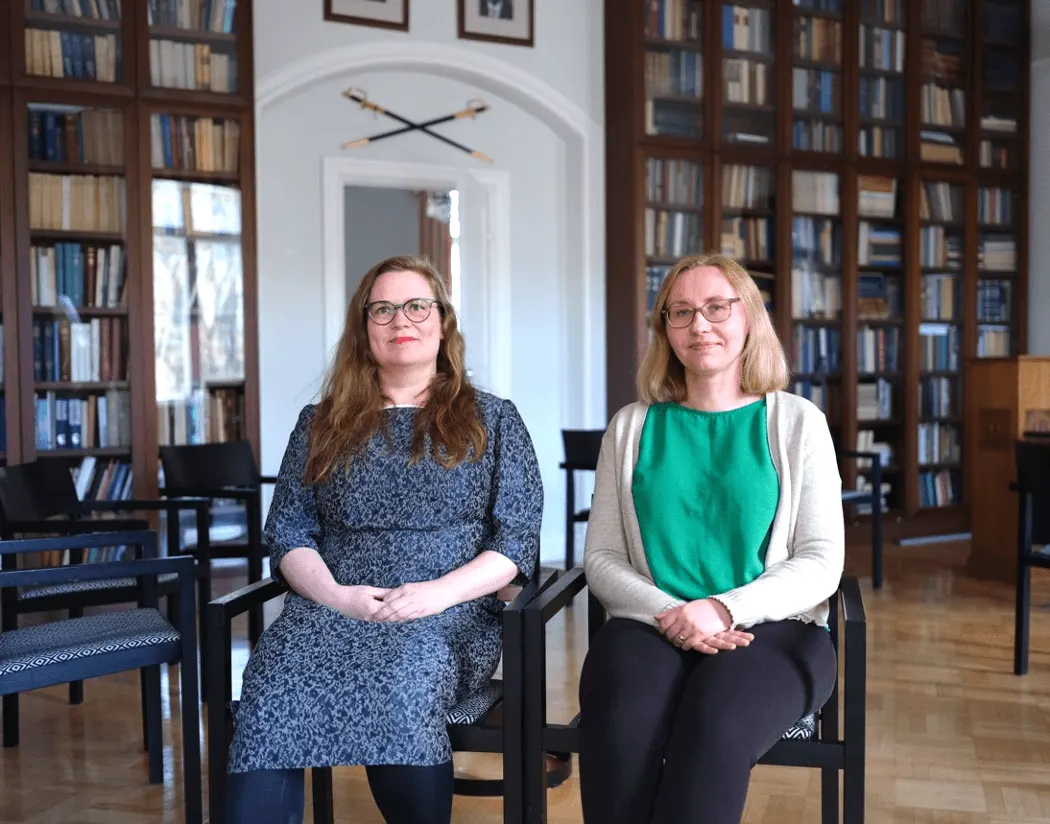
The core of high-quality research and strategy work is thinking and challenging one's assumptions, which leads to novel insights. To be useful, a tool needs to enable our experts to think better - Annakerttu Aranko, the CEO of Noren.
The Helsinki-based strategy consultancy combines human sciences with business development in ways that are unique in Finland. Working across open strategy, growth and renewal, and research, Noren studies societal, cultural, and technological change to help organisations make better decisions. The consultancy has been using Skimle for three months, and has been happy with the tool's ability to support their experts.
Noren uses Skimle across their project lifecycle.
1. Transcription from audio to text
"Just the fact that we can get high-quality transcripts of audio recordings, no matter if they were in English, Finnish, Swedish, or any other language, is a genuine step change. Our previous transcription services were unreliable and expensive. Now we get really accurate transcripts immediately after conducting the interviews," says Linda Sivander, Head of Research at Noren.
Automated transcription within Skimle's secure environment handles multi-speaker recordings and over 100 languages — particularly relevant for a Finnish consultancy conducting research across Scandinavian and international markets. Audio files are processed securely and deleted after transcription, keeping data handling fully GDPR-compliant.
2. Single source of truth for all documents in a project
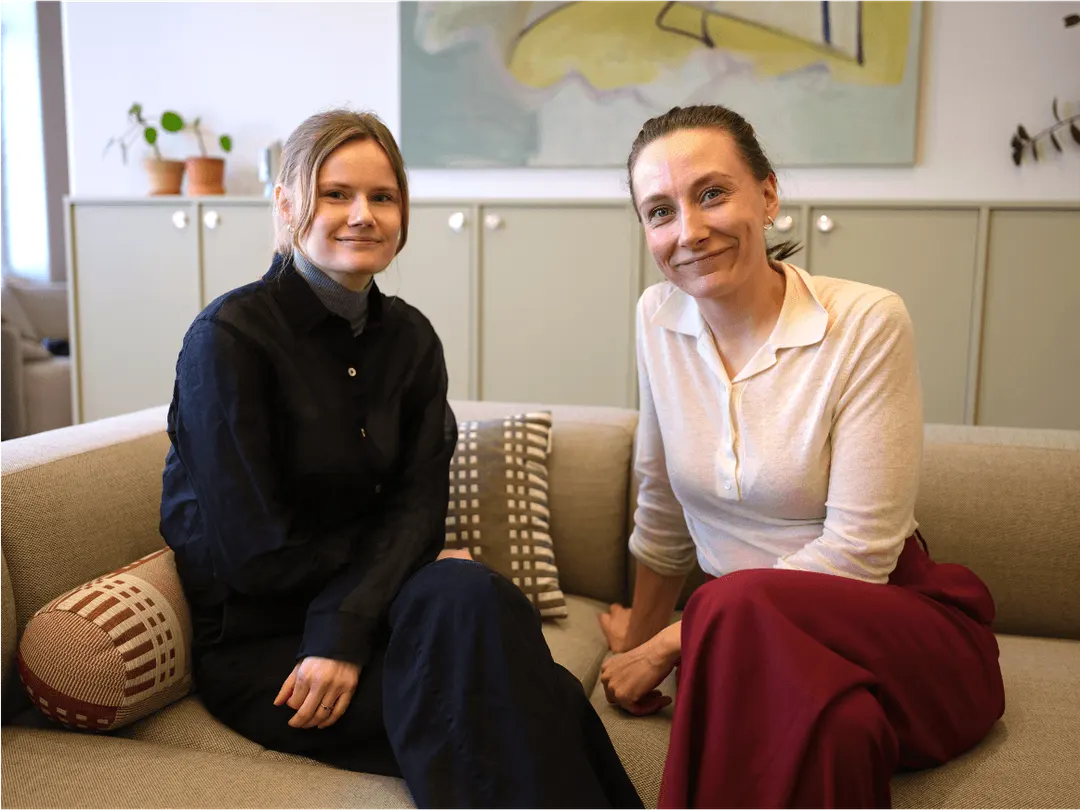
"We used to have transcripts scattered in different formats on different drives by researcher. Skimle projects now give a good overview of the data collected so far and the emerging themes," continues Linda.
"I love to explore the data with the AI chat. All current LLMs hallucinate, and one needs to be patient as the tools improve. What I appreciate about Skimle is that it transparently refers to source documents, so you can always verify the answers yourself, and it flags when it can't find a source to back up a claim," says Annakerttu.
This points to one of the key differences between using Skimle for qualitative analysis and asking a general-purpose AI tool to summarise documents. Two-way transparency — the ability to trace every insight back to a verified verbatim quote — is fundamental to how Skimle is designed, and for a research and strategy firm, that traceability is not optional.
3. Reporting the findings
Each Skimle export contains the verbatim quotes, which is key for Noren. They insist on sharing unfiltered, representative snippets of customer feedback alongside their synthesis, so that clients get the unvarnished sense of what people are actually thinking and saying. The structured export workflow — from coded themes to source quotes to final report — makes this straightforward rather than a manual assembly job at the end of every project.
Spending time with people, not the back office
Skimle has become a daily tool used by the entire company and a key differentiator in their proposals.
"Before Skimle, over 50% of our time was spent on back-office work — managing transcripts, coding data, and doing rudimentary analyses. With Skimle, we are able to cut that time significantly, and spend much more time in interviews, doing thinking and problem solving, and with the clients. That is something clients value and are willing to pay for," summarises Annakerttu.
This shift reflects a broader argument for AI-assisted qualitative research: the value of research and strategy work lies in interpretation, judgement, and client relationships — not in the mechanical processing of raw data. Freeing up that 50% means Noren's researchers can do more interviews, think more deeply, and engage more closely with clients, rather than spending their days managing files and doing manual coding that an AI can handle systematically.
The fact that Skimle is a European product with full data sovereignty and trustworthy privacy practices was also a must-have. Uploading sensitive documents to public chatbot services is simply not acceptable when dealing with sensitive user and client interviews. For a firm that handles confidential research into organisational strategy, customer experience, and cultural change, GDPR-compliant EU infrastructure is a baseline requirement, not a nice-to-have.
"With AI, the industry of qualitative and ethnographic research will evolve. At Noren we want to be at the forefront of this shift, but in a way that makes sense. We are happy that Skimle supports our researchers in their thinking while keeping them in control" says Linda.
For consulting and research firms looking to make the same shift, the question is not whether to use AI in qualitative workflows but which tools preserve the rigour, transparency, and human judgement that make the work credible. Quality remains the differentiator, and the tools that support rather than replace expert thinking are the ones worth adopting.
Ready to spend less time on back-office work and more time with clients? Try Skimle for free and see how AI-assisted qualitative analysis can transform your research workflow.