Signal & Noise blog
Skimle's blog dedicated to high quality analysis using modern methods

Grounded theory methodology: a practical guide for qualitative researchers
Grounded theory generates theory from data through iterative coding and constant comparison. This guide covers the 3 main variants, the full coding process, and when to choose GT over thematic analysi...

Inductive, deductive, and abductive coding in qualitative research: when to use each
Inductive coding builds categories from data up. Deductive coding applies existing frameworks down. Abductive coding iterates between both. This guide explains when to use each — with examples.

Qualitative consumer insights research: a complete guide for market researchers 2026
How to plan, conduct, and analyse qualitative consumer insights research — from depth interviews and focus groups to synthesis and stakeholder presentation. Includes tool recommendations for 2026.

Reflexive thematic analysis: what changed with Braun and Clarke's updated approach
Reflexive thematic analysis treats coding as interpretation, not extraction. Learn how Braun and Clarke's updated approach differs from the 2006 version and what it means in practice.

Skimle's Agentic Chat and MCP: how humans and agents can collaborate in qualitative research
Skimle's Agentic Chat lets researchers and AI agents work side by side on structured project data, with full source traceability and human control throughout.

Focus group analysis: a complete guide
How to analyse focus group data — from transcribing sessions to coding group dynamics, comparing across groups, and writing up. Includes a worked example.

Interview transcript analysis: a practical guide
How to analyse interview transcripts systematically — preparing data, coding approaches, building themes, and writing up. Covers manual and AI-assisted methods.

Step-by-step guide to agentic analysis workflows with agentic chat and MCP
A complete walkthrough of using Skimle's Agentic Chat and MCP connections. Work together with smart agents to structure, analyse and visualise qualitative data. A practical approach to step to the fut...

How to analyse customer interviews: a practical guide for market researchers
A step-by-step guide to analysing customer interviews — from coding themes to synthesising insights — with practical examples for market researchers.

How to analyse employee survey open-ended responses
A step-by-step guide to analysing employee survey open-ended responses: from preparing and anonymising data to coding themes, segmenting findings, and presenting results.

Qualitative research for consultants: tools and workflow
Qualitative research for consultants operates under constraints that academic methods were never designed for. This guide covers tools, workflow, and best practices for consulting timelines.

How to anonymise interview transcripts when conducting sensitive business interviews
How to pracrically anonymise interview transcripts in a business setting: replace identifiers, pseudonymise roles, and meet compliance requirements with Skimle Anonymise.

How to anonymise and pseudonymise qualitative research data: IRB-compliant de-identification of interview transcripts
Step-by-step guide to anonymising and pseudonymising qualitative interview data for IRB, GDPR, and HIPAA compliance with Skimle Anonymise. Covers identifiers, audit trails, and methods documentation.

Transcribing audio interviews and videos with Skimle
Upload audio or video to Skimle, select the language, and get an accurate transcript in minutes — with automatic speaker identification and GDPR-compliant EU hosting.

ChatGPT prompts for qualitative data analysis: what works, what doesn't
Practical ChatGPT prompts for qualitative data analysis — plus a clear-eyed account of where general-purpose AI falls short for rigorous qualitative work.

How many qualitative interviews are enough? Guest, Bunce & Johnson (2006), saturation, and what the evidence says
Guest, Bunce & Johnson (2006) found code saturation at 12 interviews. Here is what that finding actually means, its limitations, and how to set your qualitative sample size.

How to do qualitative research on a PhD budget: tools and methods that won't break the bank
NVivo costs over EUR 1000 per year and is rarely worth it for individual researchers. Here are the best free and affordable alternatives for PhD students doing qualitative analysis.
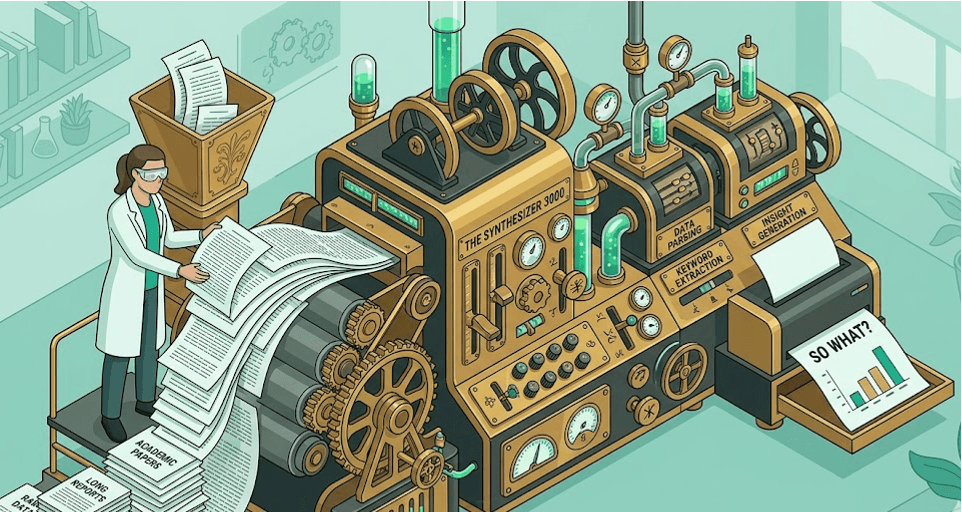
How to present qualitative research findings to executives who only trust numbers
How to make qualitative research findings land with sceptical executives: structuring findings, using frequency language, and building the credibility trail that numbers-first audiences need.

How to synthesise user research: turning 20 interviews into a clear story
A practical guide to user research synthesis: how to move from raw interview transcripts to structured findings and a stakeholder-ready narrative.

How to code qualitative data: inductive, deductive and abductive approaches explained
A practical guide to qualitative coding: what inductive, deductive, and abductive coding are, when to use each, and how AI tools are changing the process.

How to analyse 360 feedback: moving from report to development priorities
A practical guide to analysing 360-degree feedback: how to extract development priorities from qualitative comments and avoid the pitfalls of generic reports.

How to analyse exit interviews: turning departures into a retention strategy
A practical guide to exit interview analysis: how to collect, code, and synthesise departure data to identify real attrition drivers and act on them.

Competitive intelligence from qualitative data: what your customers say about your rivals
How to extract competitive intelligence from customer interviews, NPS verbatims, and win-loss calls — and analyse it systematically with thematic analysis.

Commercial due diligence in 2026: how AI is changing qualitative primary research
How AI is changing the synthesis of expert calls and customer reference interviews in commercial due diligence — and what it means for deal teams in practice.